A record for remembering my relationship with cameras
In 2025, I inherited a film camera from my late uncle. Each time I press the shutter, I feel as if the sensation of film cameras from childhood comes back. That made me want to look back on my relationship with cameras: from record to expression, from convenience to the value of constraints, over more than 30 years.
Childhood: the feel of a camera
As a child, I probably pressed the shutter of small compact film cameras. I remember people often talking about how my grandmother’s photos cut off half of people’s heads. My grandfather, a railway engineer who had already passed away by then, owned a Nikomat SLR and a 50 mm prime lens, so I imagine he had many thoughts about photography.
Disposable film cameras later appeared. Utsurun-desu was released in 1986, and the flash version I used on trips was probably from around 1988. I remember winding the film with the dial on the upper right and pressing the shutter.
In middle school I remember hitting the camera strongly to make the flash fire and surprise people. I touched cameras, but I did not feel I was taking my own photos. My parents handled development, and I only saw the finished photos. I did not yet have a desire to record something through photography, let alone express something.
Digital cameras: financial freedom and the beginning of records
The first time I felt I had my own camera was July 2002, when I got a Canon IXY DIGITAL 300a. I was in my first or second year of university. I liked digital cameras because development cost nothing, so I could take photos freely. For me, the value of digital was financial freedom.
Looking at old data, photos from university remain. I remember it as square and rather heavy, but when I looked it up, it was 245 g, not especially heavy. Its other specs were 2 megapixels, ISO up to 400, a 35 mm equivalent zoom range of 35-105 mm, and an F2.7-F4.7 lens. By today’s standards those specs are modest, but at the time the ability to take photos without worrying about development cost was significant.
 Canon Canon IXY DIGITAL 300a ƒ/4.7 1/30 16.188 mm
In 2005 I got a Sony Ericsson Premini-2. I liked small gadgets, and this tiny phone had a camera. The image quality, about 1.3 megapixels, was not good, and many photos were blurry, but its portability allowed me to record many things.
Before that I had used DoCoMo D-series phones. The N series was generally popular, but I liked the smaller D series. I think I also carried an MP3 player then. People did not use today’s language for it yet, but I liked carrying small gadgets around. The camera was not good, but because it was always with me, it recorded things I would not otherwise have photographed.
 DoCoMo SO506i ƒ/4 1/15 ISO 250
In 2006, after not being able to find work as I wished, I entered graduate school. My old friendships thinned and I spent more time alone. Around then I got a Canon IXY DIGITAL 70. Image quality rose to 6 megapixels, while the body became lighter. It was fun to experience digital devices becoming smaller, cheaper, and more capable.
It may have been late in a general sense, but I think this was the period when I was building the foundation of my own culture and education. The IXY DIGITAL 70 weighed only 140 g. Around the same time, the iPod Shuffle, weighing only a few dozen grams, appeared. Storage capacity kept increasing and getting cheaper, while electronic devices kept getting smaller. Experiencing that evolution was itself enjoyable.
 Canon Canon IXY DIGITAL 70 ƒ/2.8 1/60 5.8 mm
In 2009, after starting work, I changed phones to an N-series DoCoMo model. Camera phones were increasingly used for memos. On trips I still brought a separate Canon IXY.
The direct trigger was probably the migration to the FOMA communication standard. I liked that this N-series phone could show information with red LEDs on the outside. The camera was about 2 megapixels, so image quality had not changed much. Around then, taking memos with phone photos was becoming increasingly normal.
 DoCoMo N705imyu ƒ/4 1/739 3.4 mm
Digital SLR: meeting resolution
In 2009 I bought a Nikon D5000 after consulting someone at work who knew cameras. Buying an SLR felt difficult because of both price and knowledge, but the resolution through a proper lens was wonderful. Background blur was also interesting. I mostly shot in auto mode without understanding aperture, but taking photos gave me a moment of being alone even when I was out with others.
The body weighed 560 g, which felt heavy, but it had 12.9 megapixels, and above all the resolution of photos taken through a proper lens was impressive. I enjoyed walking around the neighborhood at night taking photos, or taking it along when going somewhere farther away. I still did not know how to take good photos and did not understand f-numbers, so I mostly let auto mode handle things. Even so, it was fun because the act of taking a photograph created a moment of solitude even when I was out with someone else.
 NIKON CORPORATION NIKON D5000 ƒ/8 1/50 44 mm ISO 400
The same year, I got an iPhone 3GS. The main appeal was mail and Safari, but camera apps with effects were fun. In 2010 Instagram appeared, creating a culture of filtering and sharing photos. Watching web services change the world made me want to be involved.
The iPhone 3GS raised the camera to 3 megapixels. Around this time, people began talking more about productivity improvement, and words like “lifehack” came into use. A little after the iPhone’s release, camera apps with various effects appeared, and it was fun to try them. The phrase web2.0 was also around, and I enjoyed using the web services that kept appearing. Seeing the internet steadily change the world made me want to take part in it myself.
 Apple iPhone 3GS ƒ/2.8 1/15 3.85 mm ISO 182

In 2012, after leaving my first company and becoming a freelance web developer, I lived a somewhat nomadic laptop-in-cafes life. Carrying a large camera was difficult, so I got a small interchangeable-lens PENTAX Q after seeing it in a Tumblr photo. Its prime lens taught me the fun of shooting wide open.
The PENTAX Q had about 12.4 megapixels. Its sensor was 1/2.3 inch, smaller than the APS-C sensor in the D5000, though I did not understand sensor-size differences well at the time. I only knew that a small interchangeable-lens camera was easier to carry in a bag already holding a laptop. I was just beginning to understand the appeal of shooting wide open, and the PENTAX Q prime lens was enjoyable.
 PENTAX PENTAX Q ƒ/2.8 1/200 8.5 mm ISO 125
Around then I also used an iPhone 4 and iPad mini, enjoying new devices as Apple products became major internet events. In 2014 I moved to an iPhone 5s, more for experiencing iOS 7 and flat design than for camera specs. Compact digital cameras were gradually becoming less common.
I think I received the iPhone 4 from someone who had upgraded to an iPhone 4s. I preferred the round feel of the 3GS in the hand, but I was happy that the device moved more briskly, and I made small iPhone apps. The camera improved greatly to 5 megapixels, approaching compact digital-camera quality. In 2013 I even took photos with an iPad mini. I would not think of taking photos with an iPad mini now, but at the time new devices were exciting. By then the iPhone 5 existed with an 8-megapixel camera, and the connector had changed to Lightning. The iPhone 5s still had 8 megapixels, but the lens became brighter, from f2.4 to f2.2, and the sensor size improved from 1/3.2 to 1/2.8. I did not understand those camera specs, though; I mostly wanted to experience iOS 7’s shift from skeuomorphic icons to flat design.
 Apple iPhone 4 ƒ/2.8 1/195 3.85 mm ISO 80
 Apple iPad mini ƒ/2.4 1/479 3.3 mm ISO 32
 Apple iPhone 5s ƒ/2.2 1/30 4.12 mm ISO 80
In 2015 I bought a fisheye lens for the PENTAX Q. Skate videos in the 1990s and 2000s often used low fisheye shots, and I had played with filming skateboard videos with friends, so I was interested in fisheye lenses. Changing lenses made the world look distorted, which was fun.
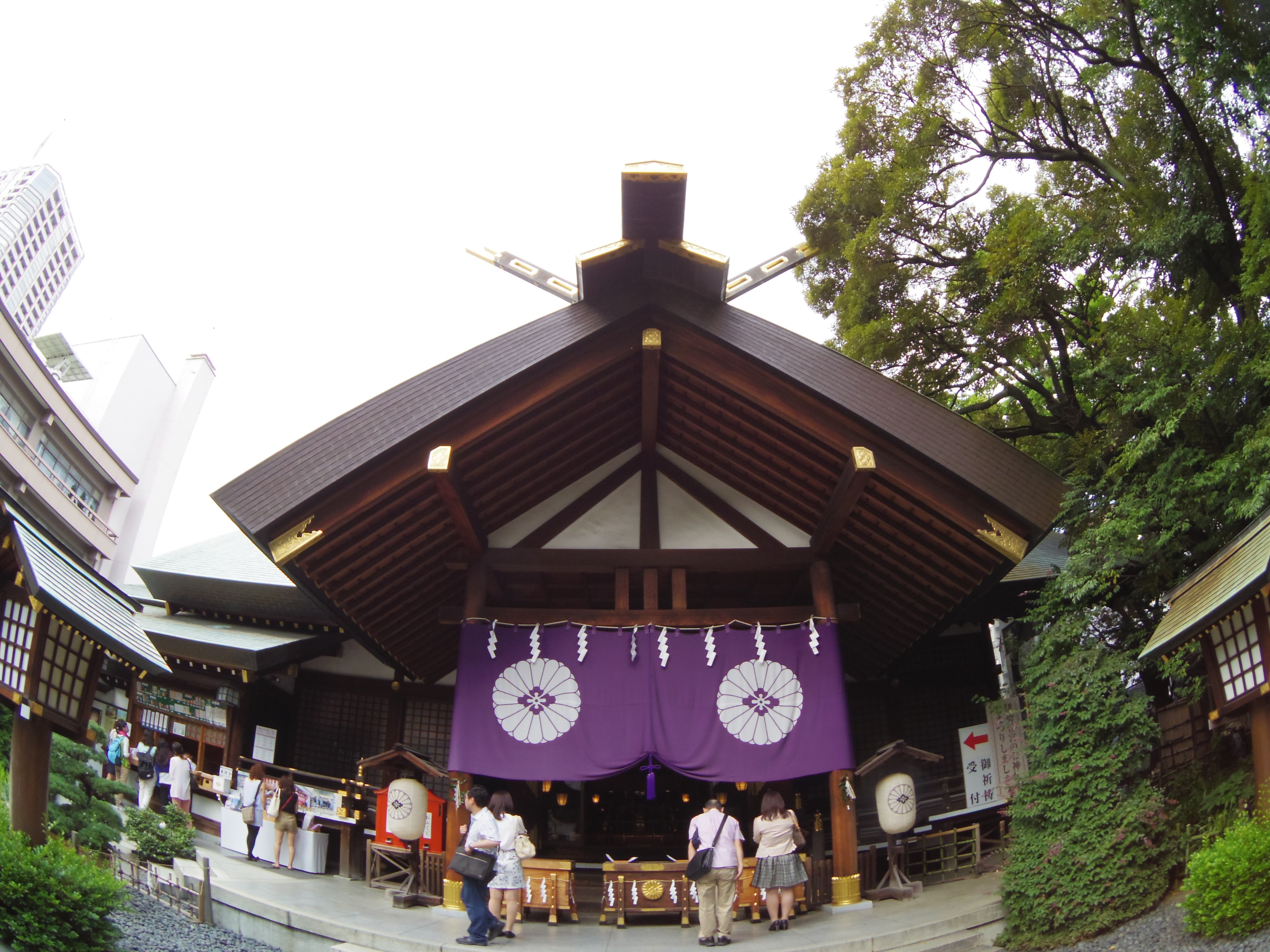 PENTAX PENTAX Q ƒ/5.6 1/100 3.2 mm ISO 250
Mirrorless: record and expression
In 2016 I got an Olympus PEN E-P2 and Panasonic LUMIX 20 mm. Until then I had casually taken photos, but I began wanting to practice and become better. Photography was shifting from record to expression for me, probably because I had a family and more chances to look back at photos together.
That 20 mm prime lens is excellent: bright, with a very pleasant angle of view. Shooting wide open with a prime lens became fun. Today I lend this camera set to my child, because I thought touching a real camera would be better than only touching a toy camera made for children.
 OLYMPUS IMAGING CORP. E-P2 ƒ/1.7 1/200 20 mm ISO 200
I then got an Olympus E-M10 because I wanted to shoot through a viewfinder. Looking through a viewfinder gives me the feeling of aiming at the world I want to cut out. The small Micro Four Thirds size also mattered because the D5000 had become too heavy to carry.
It was not that I had a major complaint about the E-P2; I simply became strongly drawn to shooting through a viewfinder. When trying to cut out one world, I want the feeling of aiming at that world through the finder. The compactness of the Micro Four Thirds standard also mattered. I no longer carried the D5000 because it was heavy, and being able to take a camera out casually is important for improving at photography.
 OLYMPUS IMAGING CORP. E-M10 ƒ/2.5 1/160 20 mm ISO 200
In 2020 I bought a 15 mm LEICA DG SUMMILUX prime because the 20 mm autofocus was too slow for moving children. I also tried a FIMI PALM because I wanted to shoot video, but video did not suit me much. Photography cuts out space, while video requires thinking about cutting out time.
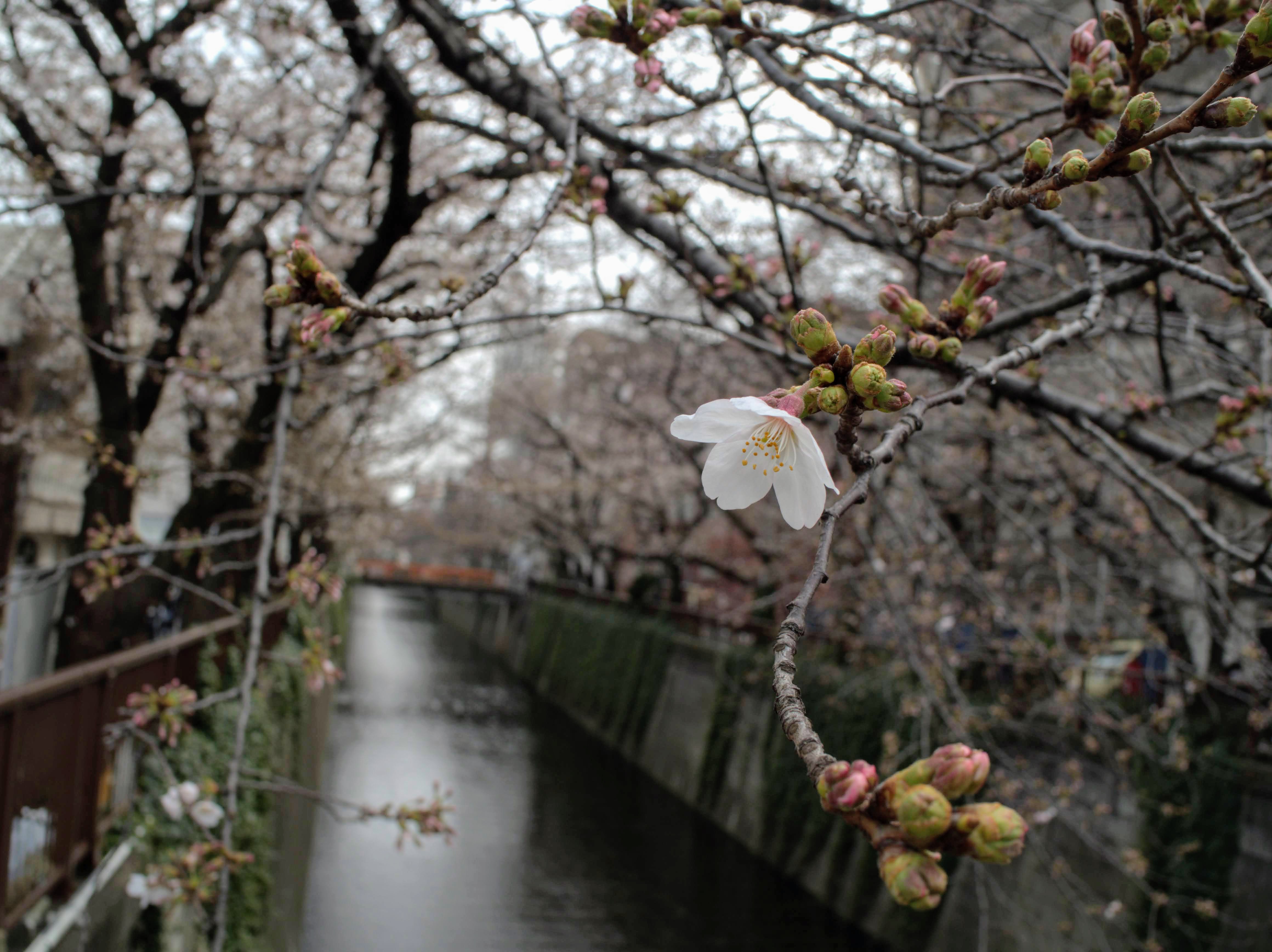 Olympus E-M10 ƒ/8.877 1/160 15 mm ISO 200
 FIMI PALM ƒ/2.4 1/1539 ISO 100
In 2023 I got an Olympus E-M5 Mark III with a Sigma 56 mm medium telephoto lens for sports day. It is now my main camera for family records. I also use the E-M10 with a ttartisan 25 mm manual-focus lens as a practice camera. Manual focus and a 50 mm equivalent angle help me put intention into photos.
Wide angles are fun, but recording a school sports day requires a telephoto lens. This lens is still useful for event photography. It is bright and compact. The E-M5 Mark III was also a major upgrade: the electronic viewfinder became much easier to see, and the resolution rose from 16.05 to 20.37 megapixels. For family records, it became the main camera.
The E-M10 is now paired with a ttartisan 25 mm f2 manual-focus lens as a practice camera. A 25 mm lens on Micro Four Thirds is equivalent to 50 mm, which makes it easy to use as a standard lens. A 50 mm angle of view forces me to cut things out deliberately, and manual focus forces me to decide intentionally what the subject is. In other words, it becomes practice in giving photos intention. It also helped me understand the meaning of controlling the f-number.
I also came to understand the meaning of full-frame cameras. A full-frame camera is certainly effective for producing clean, distinct bokeh and clear images. But carrying a large camera does not suit me, and the bodies are also more expensive.
 OLYMPUS CORPORATION E-M5MarkIII ƒ/1.4 1/8000 56 mm ISO 64
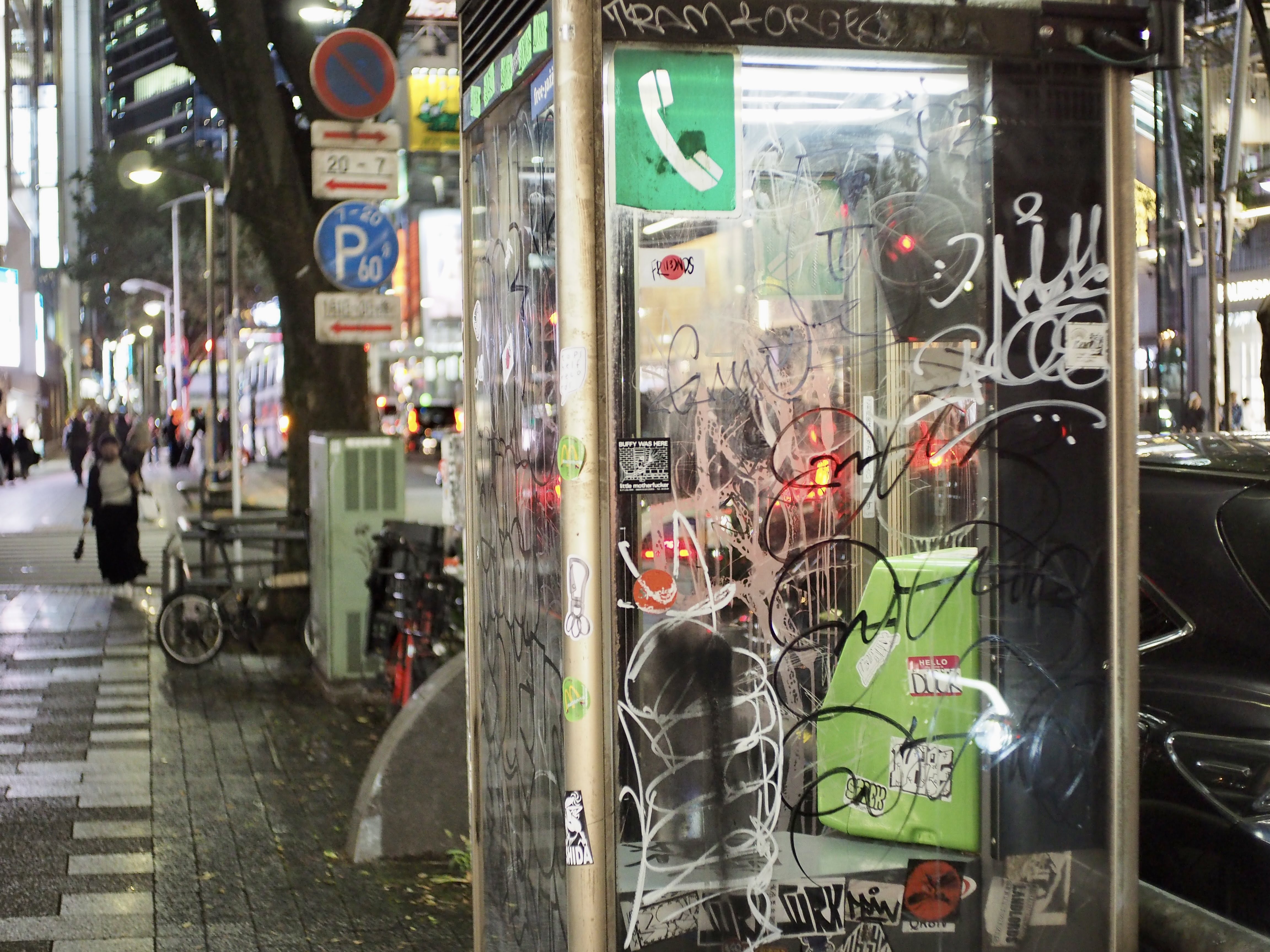 OLYMPUS IMAGING CORP. E-M10 f/2.0 1/100 ISO 1600
Returning to film
In 2025 I inherited a Minolta TC-1 film camera from my late uncle. Film is now expensive, but my disposable income has also increased, so the timing was good. With film, you cannot know the image when you shoot. You take a fixed number of frames, wait, and then see the images. That experience felt fresh, and the results had a sense of time travel.
Thinking about generative AI also changed how I see cameras. Modern iPhone and Google Pixel photos are heavily computational. Film is chemical reaction; digital is computation. As AI advances, the content of computation feels increasingly outside human grasp. Film also makes me more sensitive to light and color. The TC-1 has limited shutter speed and film ISO, so I have to think about light.
Two things come to mind. One is the question of whether photos from today’s iPhone or Google Pixel cameras are really capturing reality. These smartphones have become extremely advanced and make adjustments beyond ordinary image completion. Film is a chemical reaction, while digital photography is computational processing. Watching the recent development of AI, I feel that the contents of computation are gradually leaving human hands. In that sense, modern smartphone photography begins to feel like a kind of virtual photograph.
The other is the broader development of generative AI and the resulting change in humans, or perhaps even degeneration. The more I ask AI what I should do next, the more I feel that my own ability to think is being taken away. Of course it is convenient, and I cannot leave it behind. At the same time, I wonder whether it is all right to let even my own aesthetic sense move toward it.
After shooting with a film camera, I became more conscious of light and color. Recent digital cameras have shutter speeds up to 1/8000 and ISO up to 6400. The TC-1, by contrast, has a shutter speed of around 1/350, and ISO is usually about 400 because it depends on the film. That forces sensitivity to light. Film also makes me notice changes in color. Encountering these new senses has become part of the pleasure of using a film camera.
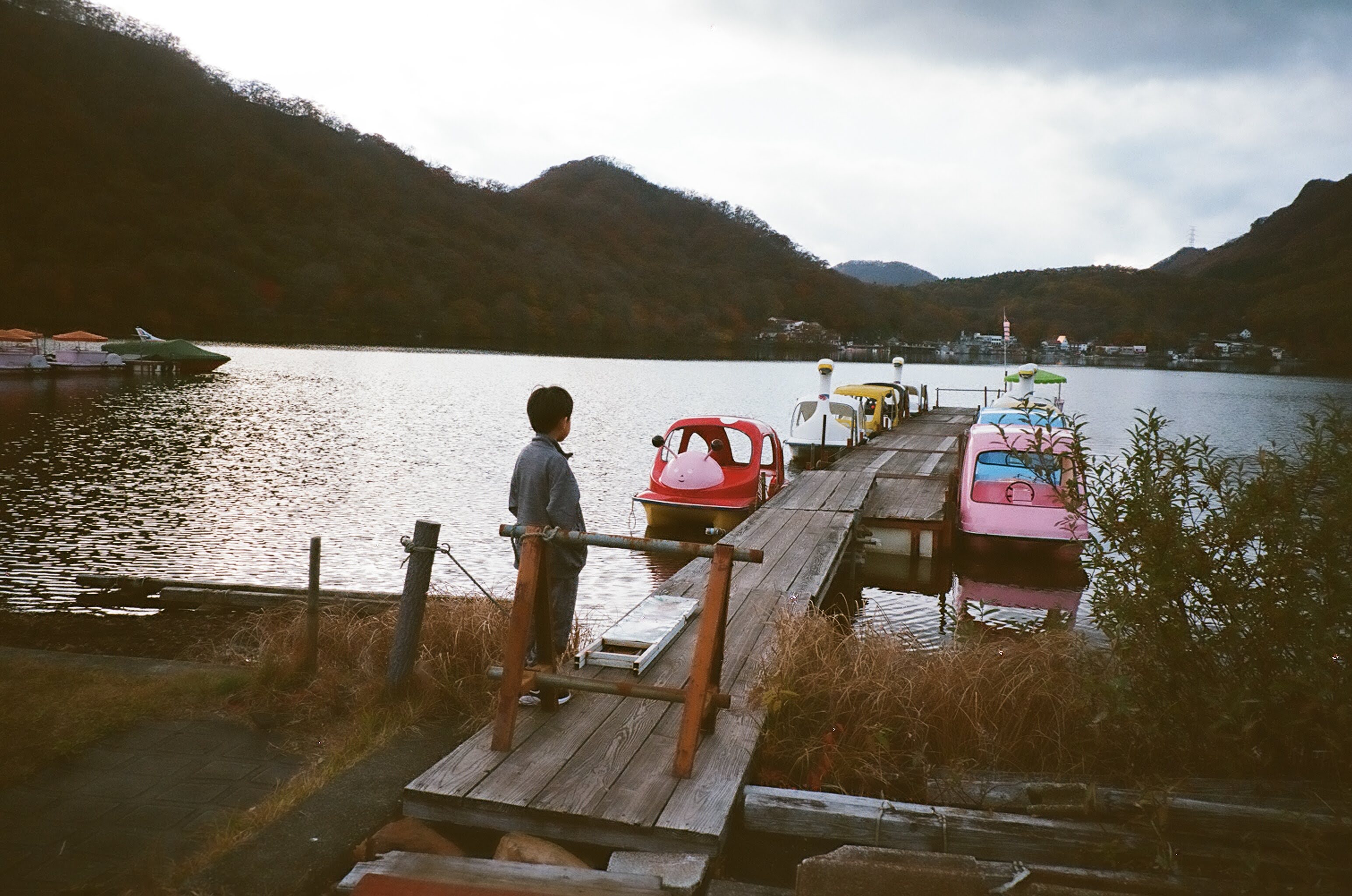 Minolta TC-1
Closing
My relationship with cameras began as digital technology kept evolving. The world became more convenient. Now AI has arrived and large companies invest excessively. The more that happens, the more technology feels like it is leaving our hands. When I hold the TC-1 inherited from my uncle, technology feels, just a little, like it has returned to my hand. I still cannot handle its images well, though.